
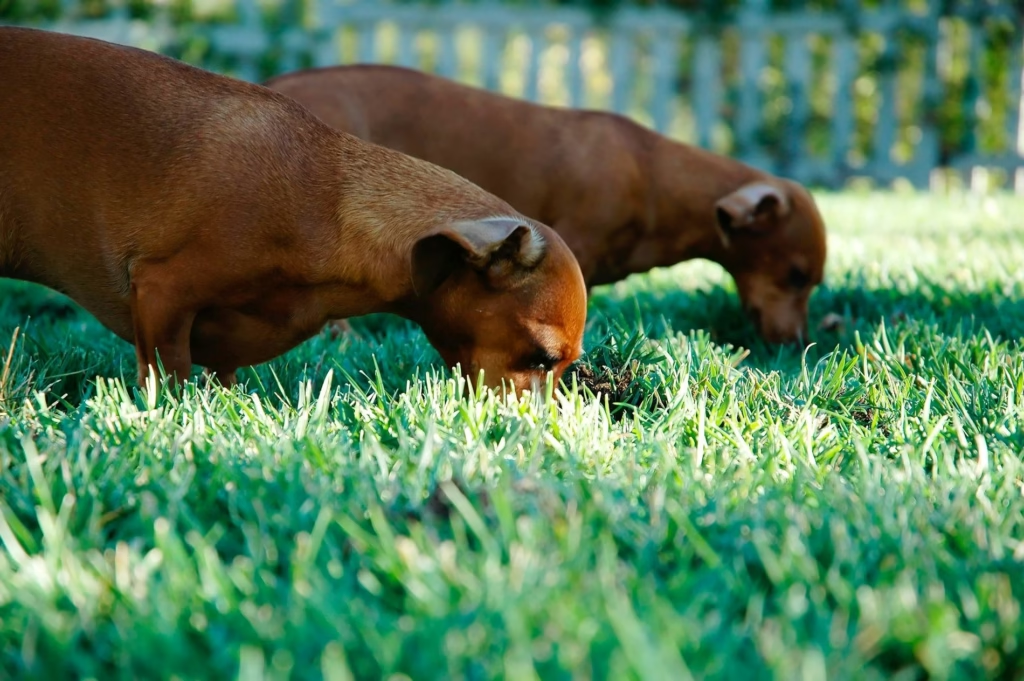
Many dog owners have noticed their dogs eating grass during walks or in the backyard. While this behavior may seem strange, it is actually quite common.
In most cases, eating grass is normal and not harmful. However, sometimes it may signal a digestive issue or nutritional imbalance.
Why Dogs Eat Grass
1. Digestive Discomfort
Some dogs eat grass when they feel stomach discomfort. Grass may help stimulate digestion or cause vomiting to relieve stomach upset.
2. Instinctive Behavior
Dogs descended from wild ancestors that consumed plant material along with prey. Eating grass may simply be part of their natural instincts.
3. Boredom or Curiosity
Dogs sometimes chew grass when they are bored or exploring their environment.
4. Lack of Fiber
A diet lacking fiber may cause dogs to look for additional plant material.
Is Eating Grass Dangerous?
In most cases, eating small amounts of grass is harmless. However, dog owners should be cautious if the grass has been treated with pesticides or chemicals.
Contact your veterinarian if your dog:
- Vomits frequently after eating grass
- Shows signs of illness
- Refuses food
Supporting Healthy Digestion
Since grass eating can sometimes be linked to digestive discomfort, supporting your dog’s gut health can help reduce this behavior.
Many pet owners choose supplements like PawBiotix to help maintain healthy gut bacteria and support digestion.
Final Thoughts
Eating grass is a common behavior in dogs and usually not a cause for concern. However, if the behavior becomes frequent or is accompanied by digestive problems, supporting gut health may help improve your dog’s comfort.